All Categories
Featured
Table of Contents
Have you thought just how much the available technologies determine how we live? Here are some obstacles to consider next time you find yourself in the following circumstances: In your cars and truck on a long-distance trip: just how much it took an individual to get to your destination 200 years earlier? The number of of the people could manage that? In the laundry room: just how much time you do not invest washing and drying your clothes? Calling a good friend on the phone: Just how much did interaction change after the cellular phones changed the landlines? Comprehending the technology waves is essential for founders and item leaders wanting to stay ahead of the curve.
Development cycles are periods of technological and financial change that interrupt existing markets and produce innovative products. The first wave of development began in the late 18th century with the development of water power and fabric production.
Creating Carbon-Neutral Infrastructure for a Greener Tech FutureWater-powered mills changed the production of paper, fabric, and iron goods, causing significant economic growth. In between 1845 and 1900, the 2nd wave was driven by steam power and the rail industry. Railways connected cities, enhanced trade, and spurred industrial growth. This period likewise saw advancements in steel production, even more sustaining economic expansion.
Predicting Next Phase for Corporate Tech Transformation
It was marked by the large adoption of electrical power and the development of chemical markets. Innovations like the incandescent light bulb and telephone changed communication and enhanced lifestyle. The fourth wave covered the early to mid-20th century. It brought the mass production of vehicles and the emergence of aviation.
In the late 20th century, the 5th wave was identified by the rise of computer systems and digital networks. The web changed information sharing, interaction, and commerce, providing birth to the digital age we reside in today. We are currently in the 6th wave of development, driven by expert system (AI), the Internet of Things (IoT), robotics, and tidy tech.
(source: Development of Innovation and Technology Governance - Scientific Figure on ResearchGate.) Understanding development cycles is necessary to build a growing and long-lasting company in a continuously evolving environment. Here's why: By recognizing the stages of development cycles, businesses can anticipate market shifts and adapt appropriately. This proactive method can help business stay competitive and utilize emerging chances.
Development cycles frequently produce brand-new technologies to enhance efficiency and drive growth. For instance, AI-powered tools can improve operations, enhance decision-making, and optimize resource allotment. Clean innovations reduce the expense of operations and reliances on finite resources. Staying on top of emerging innovations enables services to meet customer requirements much better.
The book "Crossing the Chasm" specifies the various stages of innovation adoption utilizing numerous psychographic profiles. The theory behind the book explains the system for a discontinuous innovation to gain traction and become a mainstream item. Utilizing the very same model for development adoption can likewise assist comprehend the wave of technology.
Analyzing Next Phase for Corporate Tech Transformation
The development adoption curve includes five phases: Innovators are the first to embrace brand-new technologies. These risk-takers are prepared to experiment and purchase unverified solutions, setting the phase for broader adoption. Early adopters follow closely behind innovators. They are frequently prominent market leaders who acknowledge innovations' prospective and rapidly incorporate them into their operations.
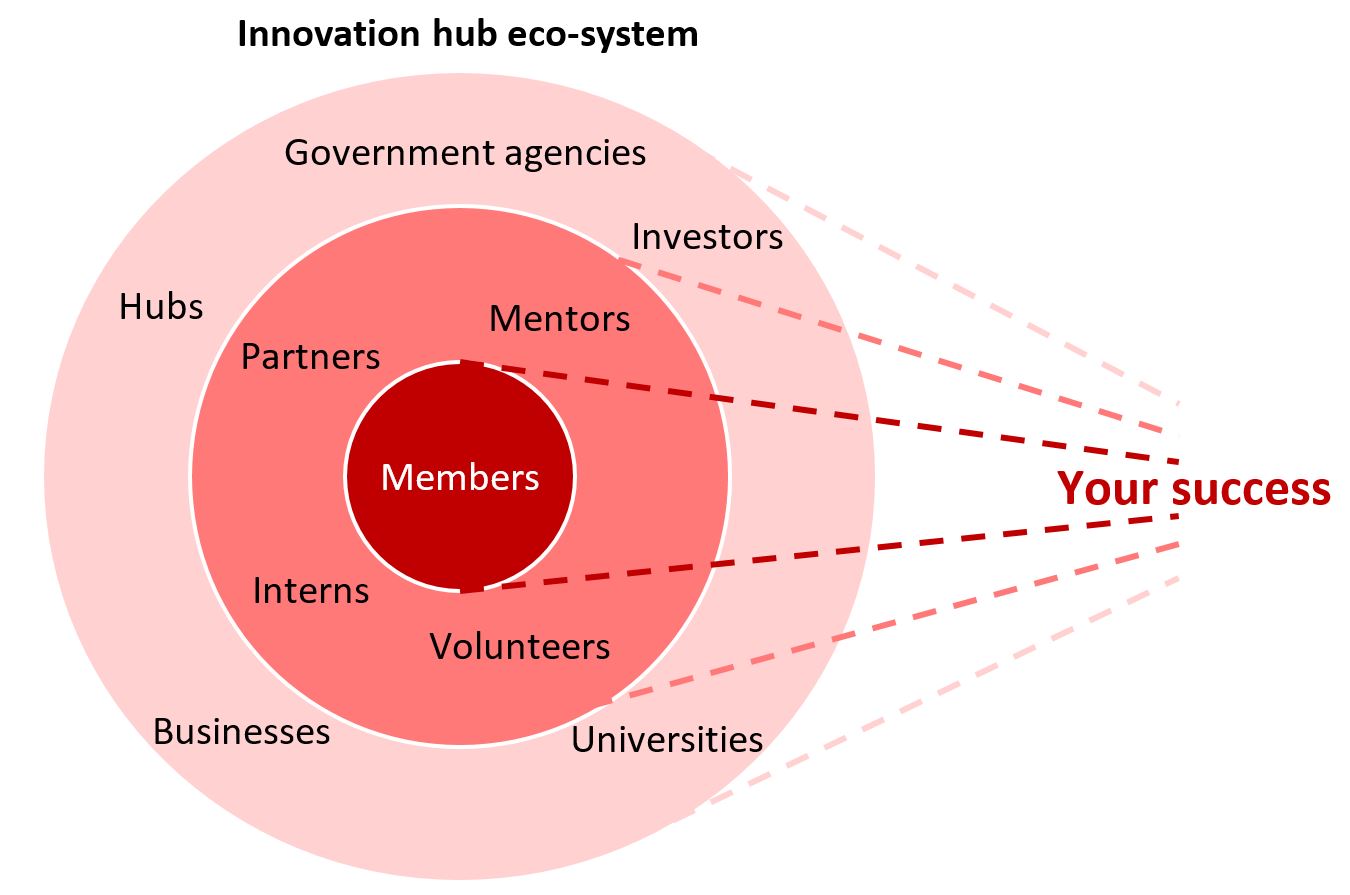
The early bulk represents a substantial part of the market. These adopters wait up until innovations have been shown and evaluated before committing.
They might withstand modification due to apprehension or absence of resources, ultimately embracing developments when they end up being inevitable. To effectively execute development in your company, think about the following steps: Conduct thorough market research to recognize emerging trends and innovations pertinent to your market.
Integrating Smart Infrastructure for Drive Strategic Innovation
The Icanpreneur platform can help you conduct customer issue interviews following the finest industry practices. Develop a clear technique for integrating brand-new technologies into your business. You can achieve such a culture by: promoting creativity, supporting risk-taking, offering opportunities.
This will help you stay attuned to customer needs and preferences, guaranteeing your innovations are favored. Work together with market professionals, research organizations, and innovation suppliers to stay notified about the most recent advancements. Networking will assist you gain access to valuable insights and resources for successful development. We prepared a list of 15 YouTube channels about entrepreneurship that you can follow to stay on top of the news.

Latest Posts
Key Strategies for Building Advanced Innovation
Essential Tips for Leading Complex Digital Transformation
The Evolution of Enterprise R&D in 2026