All Categories
Featured

Why Smart Infrastructure Fuels Corporate Innovation
Table of Contents
Smart infrastructure technologies are set to revolutionize transportation by boosting efficiency, safety, and sustainability. These technologies integrate advanced systems and information analytics to produce intelligent networks that can adjust to real-time conditions. Here are some essential clever infrastructure technologies poised to transform transport: Intelligent Transport Systems incorporate a wide variety of applications that process and share details to improve transportation networks.
Cloud Infrastructure and a Future of Enterprise R&DBy leveraging data from sensors, cams, and GPS devices, ITS can enhance traffic flow, lower blockage, and improve general roadway security. Smart traffic signals utilize real-time information to adjust signal timing based on existing traffic conditions. These adaptive signals can minimize wait times at intersections, decrease fuel intake, and lower emissions by reducing stop-and-go traffic.
Linked lorries communicate with each other and with infrastructure through Vehicle-to-Everything (V2X) technology. This connectivity allows automobiles to get real-time updates on traffic conditions, risks, and roadwork, allowing for better path preparation and safer driving. V2X interaction can likewise help with platooning, where groups of automobiles travel closely together at high speeds, enhancing fuel effectiveness and reducing traffic congestion.
This includes high-definition maps, exact GPS systems, and devoted lanes for AVs. In addition, smart facilities can offer AVs with data on traffic signals, roadway conditions, and potential threats, boosting their navigation and safety abilities. Smart parking systems use sensing units and mobile apps to assist chauffeurs to readily available parking spaces, minimizing the time invested looking for parking.
By minimizing traffic jam and emissions related to parking, smart parking solutions add to a more efficient urban environment. The growth of electric lorries demands a robust and available charging infrastructure. Smart EV charging stations can keep an eye on energy need and supply, enhance charging times, and incorporate with renewable resource sources.
Architecting 2026 Enterprise Innovation Hubs
Smart roads include innovations like ingrained sensors, solar panels, and wireless interaction systems to enhance safety and effectiveness. These roads can keep track of traffic conditions, identify accidents, and supply real-time info to chauffeurs. Some wise roads likewise feature vibrant lane markings that can alter based upon traffic patterns, enhancing traffic flow and minimizing blockage.
Real-time tracking and predictive analytics make it possible for more accurate scheduling and routing of buses, trains, and other transit services. Smart ticketing systems, incorporated with mobile apps, permit seamless and contactless fare payments. These improvements can make public transport more reputable, practical, and appealing to commuters. The vast amounts of data created by wise infrastructure need sophisticated analytics and machine learning algorithms to draw out significant insights.
By continuously finding out and adjusting, information analytics can drive ongoing enhancements in transportation performance and security. Drones and other aerial mobility solutions are becoming new modes of transportation, especially for deliveries and short-distance travel. Establishing dedicated infrastructure, such as drone passages and landing pads, will be important for integrating these innovations into urban environments.
In conclusion, smart infrastructure technologies are set to change transport by creating more efficient, safe, and sustainable systems. The combination of these innovations needs cooperation between government firms, private companies, and scientists to establish and carry out innovative solutions that attend to the developing needs of city movement. As these innovations continue to advance, they hold the guarantee of revolutionizing the way we move through our cities and beyond.
AI-enabled services for personal companies accountable for roadways surveillance and tracking, for Municipalities responsible for safety and comfort aspects towards the roads' users but, at the same time, also requiring to protect the town money balance. MALIBU leverages on the most as much as date technologies (from satellites to AI) to offer users with nimble, versatile, reliable and financially useful services for road flaws detection, both through an own web platform, or to be incorporated in already readily available user's systems (e.g., GIS).
Mastering Shortened Tech Development Cycles
All the information can be quickly accessed on a web platform that allows users to browse and filter the information, download it and envision it as plots, in a tabular format and/or in GIS (directly on the map). In addition, the platform offers periodic reports, in CSV or PDF format, worrying the information produced by the main services.
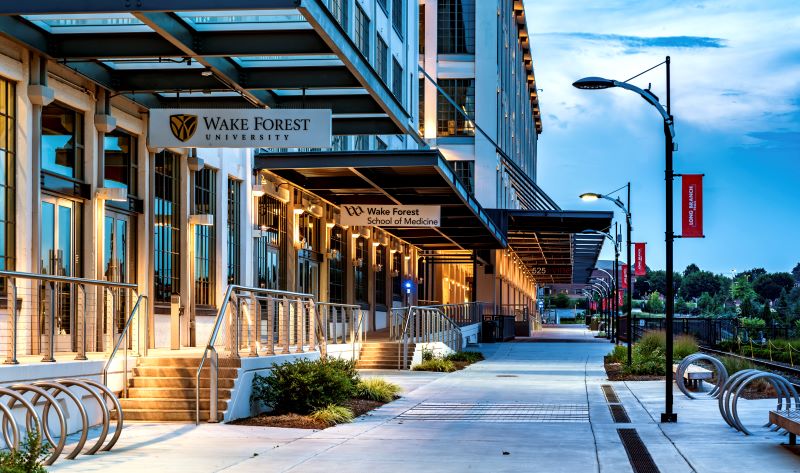
Mohammed Dhaifallah Alotaibi Head of Smart City Solutions, Eastern Province Municipality
Smart city facilities represents the backbone of modern-day community advancement, transforming how cities run, serve citizens, and address sustainability difficulties. A comprehensive smart city execution roadmap combines IoT deployment, integrated information platforms, AI-driven analytics, and citizen-centric digital services to produce responsive, effective urban environments. Whether you're a community leader, IT director, or urban organizer, understanding the strategic steps of wise city advancement is vital for taking full advantage of ROI and making sure long-term success.

Latest Posts

Key Strategies for Building Advanced Innovation
Essential Tips for Leading Complex Digital Transformation

The Evolution of Enterprise R&D in 2026